How-to
Burnishing tumbled rocks: soap, borax, amounts and time
Published
Short answer
Burnishing is a short final run in soapy water with no grit, done after the polish step to wash off polish film and brighten the shine. Use about 1/2 tablespoon of grated plain bar soap (Ivory is the usual one) or borax per pound of rock, add water to just below the top of the load, and tumble for 1 hour to 1 day. It is done when the rinse water runs clear.
This page is for a batch that has finished the polish step and still looks a little hazy, or has white polish packed into cracks and pits. Burnishing is optional, sometimes called step 5, and many good batches never get it. It helps when the stones are truly polished underneath and only a film is in the way. It does nothing for stones that are dull because of scratches. The recipe is small and the amounts are approximate, because sources differ on them.
What is burnishing in rock tumbling?
Burnishing means tumbling polished stones in water with a little soap or borax and no abrasive at all. The soapy water lifts the fine polish powder that clings to the surface and sits in cracks, pits and holes. With the film gone, the polish that is already there shows fully.
Nothing is ground away in this run. The stones leave the barrel the same shape and with the same scratches, or lack of them, that they went in with. That is why burnishing comes last, after step 4, and why it is the shortest run of the whole batch.
How to burnish tumbled rocks in a rotary tumbler
Use the polish barrel, cleaned out, and keep the load at its normal level. A barrel of finished stones that is under-filled lets them knock together and bruise, which undoes the polish you are trying to show off.
- 1
Rinse the polished stones, the barrel, the lid and the lid seal until no polish is left. Polish that stays in the barrel goes straight back onto the stones.
- 2
Return the stones to the barrel with the clean media from the polish step, so the barrel is about 2/3 full and the load is cushioned.
- 3
Add about 1/2 tablespoon of grated plain bar soap or borax per pound of rock and media. A 3 lb barrel holds about 2 lb, so it takes about 1 tablespoon.
- 4
Add water to just below the top layer of rocks, the same level as in a grit step. Seal the barrel and tumble for at least 1 hour. Some hobbyists leave it for up to 1 day.
- 5
Open the barrel carefully and pointed away from you. Pour the soapy water into a bucket, not down a drain, since it carries polish residue.
- 6
Rinse the stones in clean water until the rinse water runs clear, then dry them on a towel. Judge the shine only when they are fully dry.
How much borax or soap for each barrel size
The rule is about 1/2 tablespoon per pound of load, with ceramic media and plastic pellets counted as rock. A barrel's rating includes the water, so the load weighs about two thirds of the number on the box. Treat the amounts as approximate, since sources give slightly different figures. The grit calculator gives the load weight for other barrels.
| Barrel rating | Rock and media | Grated soap or borax |
|---|---|---|
| 1 lb kit barrel | About 2/3 lb | About 1 teaspoon |
| 1.5 lb | About 1 lb | About 1/2 tablespoon |
| 3 lb | About 2 lb | About 1 tablespoon |
| 6 lb | About 4 lb | About 2 tablespoons |
| 12 lb | About 8 lb | About 4 tablespoons |
| 15 lb | About 10 lb | About 5 tablespoons |
Note.In a vibratory tumbler use less: about 1/4 to 1/2 tablespoon per pound and a run of 30 minutes to 1 hour. The bowl maker's chart is the final word.
Rock tumbling with Ivory soap or borax: which to use
Both do the same job. Plain bar soap is the traditional choice, and Ivory is the one most often named because it is a simple soap. Avoid bars, liquid soaps and detergents with added oils, lotions, deodorant or scrubbing particles. Those additives can leave residue on the stones or be hard on the barrel, and anything gritty can scratch a polished surface. Grate the bar or shave it thin so it dissolves within the run.
Borax is sold as a laundry booster. It is already a powder, so it needs no grating and measures by the spoon. One caution applies to it: boron is harmful to plants in quantity, so do not tip borax water onto a lawn or garden bed. Let the bucket settle and handle it as you would used slurry.
- Choose bar soap when you already have a plain bar and a grater set aside for the tumbler.
- Choose borax when you want a powder you can measure straight from the box.
- Skip both when the stones already shine after a normal rinse. Burnishing is optional.
How to tell burnishing is done
The test is the rinse. When clean water poured over the stones runs clear, with no milky tint from polish, the run has done its work. Then look at the dry stones. Cracks and pits that held white polish should now be empty or close to it. If white still shows in deep holes, a second short run with fresh soap and water is the next thing to try.
Why use borax in a rock tumbler between steps?
The same soapy run can be used as a clean-up tumble between grit steps. The stones go back into the rinsed barrel with water and borax or soap for a short run, then get a final rinse before the next grit. The point is to float grit out of cracks and holes that a hand rinse does not reach.
It helps most right before polish, and with stones that are pitted or cracked, since one grain of coarser grit in the polish barrel scratches the whole batch. For smooth, solid stones a careful rinse of the stones, barrel, lid and lid seal is normally enough, and many hobbyists never add the extra run. The other steps are in the rock tumbling grit chart.
What burnishing will not fix
Burnishing removes film. It does not remove scratches. If the dry stones are dull or matte all over after polish, the cause is earlier in the run: step 3 cut short, grit carried into the polish, mixed hardness, a rock type that will not polish, or an under-filled barrel bruising the stones. Soap will not change any of those. The fix is a full run back in fine grit after cleaning everything, as explained in why tumbled rocks are not shiny.
Note.Do not burnish to rescue a dull batch. Soap adds no shine of its own, and a long soap run in an under-filled barrel can bruise finished stones.
Quick answers
The burnish recipe in short form for a rotary tumbler. Amounts are approximate and the run is optional after any polish step.
- How much borax for rock tumbling? About 1/2 tablespoon per pound of rock and media for a burnish run, which is about 1 tablespoon in a 3 lb barrel.
- Why put borax in a rock tumbler? To wash polish film off finished stones, or to float leftover grit out of cracks in a clean-up run between steps.
- Can you use Ivory soap for rock tumbling? Yes. Grated plain bar soap is the traditional burnishing soap, at about 1/2 tablespoon per pound.
- How long do you burnish rocks in a tumbler? From 1 hour to 1 day in a rotary tumbler. Stop when the rinse water runs clear.
What you need for this
 See price on AmazonAmazon
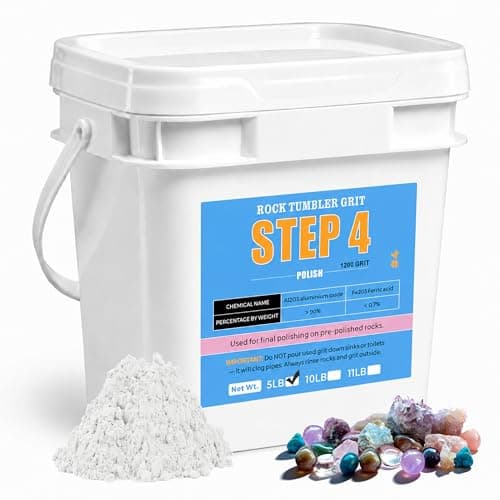
KomeStone 1200 aluminum oxide polish, step 4, 5 lb
 See price on AmazonAmazon
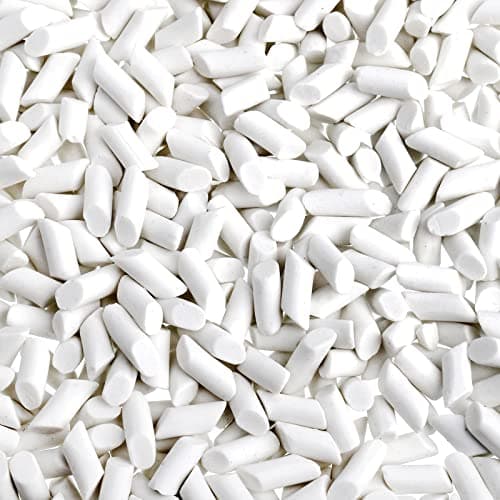
Hiceeden ceramic media, 1/5 x 2/5 in cylinders, 8 lb
From Best ceramic media for rock tumbling: sizes and how much to buy
 See price on AmazonAmazon
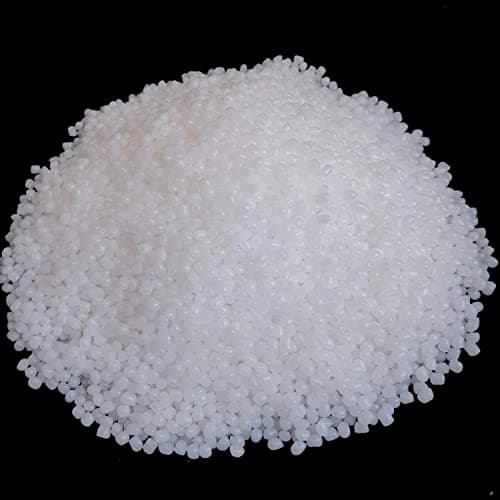
Tonmp plastic pellets tumbling media, 3 lb
From Best plastic pellets for rock tumbling and when to use them